I came back with more questions than I left with. Most of them better ones.
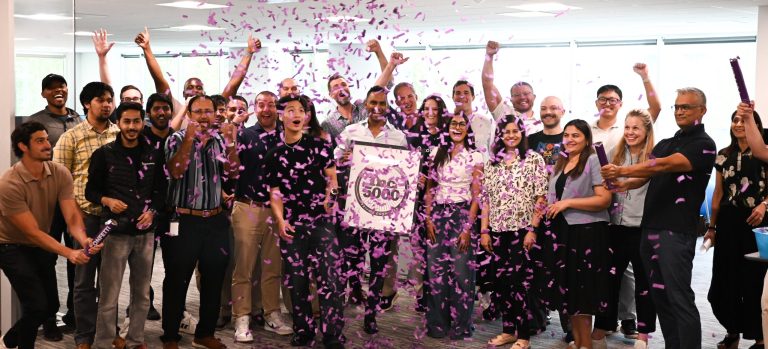
This piece follows Autonomize AI’s recent selection as a 2026 World Economic Forum Technology Pioneer. Read the announcement →
Last week I went to Dalian for the World Economic Forum’s Annual Meeting of the New Champions. The agenda said one thing. The week itself said something else. This is what stayed with me.

Repricing Care
The session I delivered was called Repricing Care. The setup is simple. Care work, the nurses and aides and teachers and social workers who hold the rest of the economy together, is the largest single category of human work on earth, and one of the most underpaid. The reason isn’t moral. It’s mathematical. We have never had a unit of account for what care actually produces over a generation. Until now.
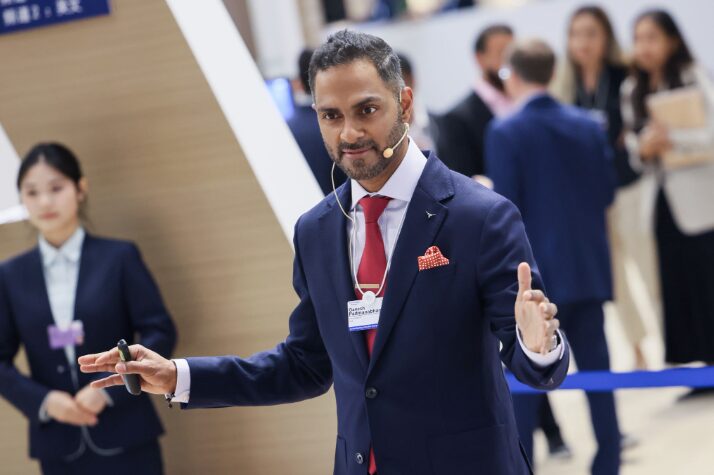
I argued that AI is about to give us that measurement layer for the first time in human history. Cut the admin tax on care. Make care work the highest-leverage job in the economy. Watch what happens when the market can finally see what a great nurse is worth.
By 2040, a nurse may be paid more than a hedge fund analyst. Not because we legislated it. Because the market built the eyes to see her.
The room was full. The conversations afterward were better than the talk. That’s usually how you know.
The Tech Pioneer Cohort
Honestly, I walked into Dalian carrying a healthy amount of imposter syndrome. The 2026 Tech Pioneer class is full of founders doing remarkable work across climate, biotech, robotics, fintech, and a dozen domains I know less about than I should. Being included in the cohort, and having the chance to meet these people, was one of the genuine highlights of the week.
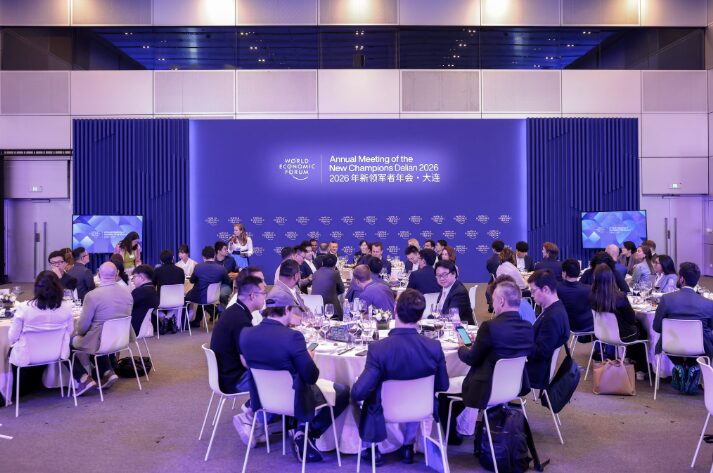
Working sessions ran past schedule, dinners stretched into the night, and the people I met as contacts left as colleagues. A few as friends.
The Innovator Communities team at WEF doesn’t just curate a list of companies. They build the chemistry that makes a community actually function. That doesn’t happen by accident, and I am grateful for it.
What I Learned About China
The story Americans tell ourselves about Chinese AI is incomplete. We talk about export controls and chip restrictions. We don’t talk enough about pace.
China is shipping AI at a tempo the US hasn’t seen since the dotcom boom. The reason isn’t just capital. It’s a deliberate national bet on open weights and open source as competitive strategy. DeepSeek, Qwen, Kimi, MiniMax. These are not followers. They are a different theory of how AI gets built. Lower cost. More iteration. Faster diffusion into actual products.
The US has historically treated openness as a competitive risk. China has treated it as a competitive weapon. I am not going to pretend to know who’s right at the macro. But sitting in a room with Chinese founders building production AI on top of open weights, I am clear that the next decade of healthcare AI will not look like the last one.
Healthcare is a Global Problem
Here is the thing the US healthcare conversation gets wrong. We frame everything in cost terms: drug prices, insurance premiums, administrative spend. Those are real. But across most of the world, healthcare is an access problem, not a cost problem. Tier-three Chinese cities. Rural India. Sub-Saharan Africa. The question is whether care reaches the patient at all, not how much it costs when it does.
That’s the framing AI changes. The same technology that reduces admin burden in a Kaiser hospital can extend specialist care to a clinic that doesn’t have an oncologist. The same evidence-mapping that helps a US pharmacist get to a faster decision can give a Kenyan nurse practitioner the confidence to make one she couldn’t make alone.
This isn’t a US export story. The leapfrog will come from the markets that don’t have legacy systems to protect.
I left Dalian with more humility about the Chinese ecosystem than I walked in with, and more conviction that healthcare is the use case AI was always going to solve at global scale.
The Conversations Outside the Rooms
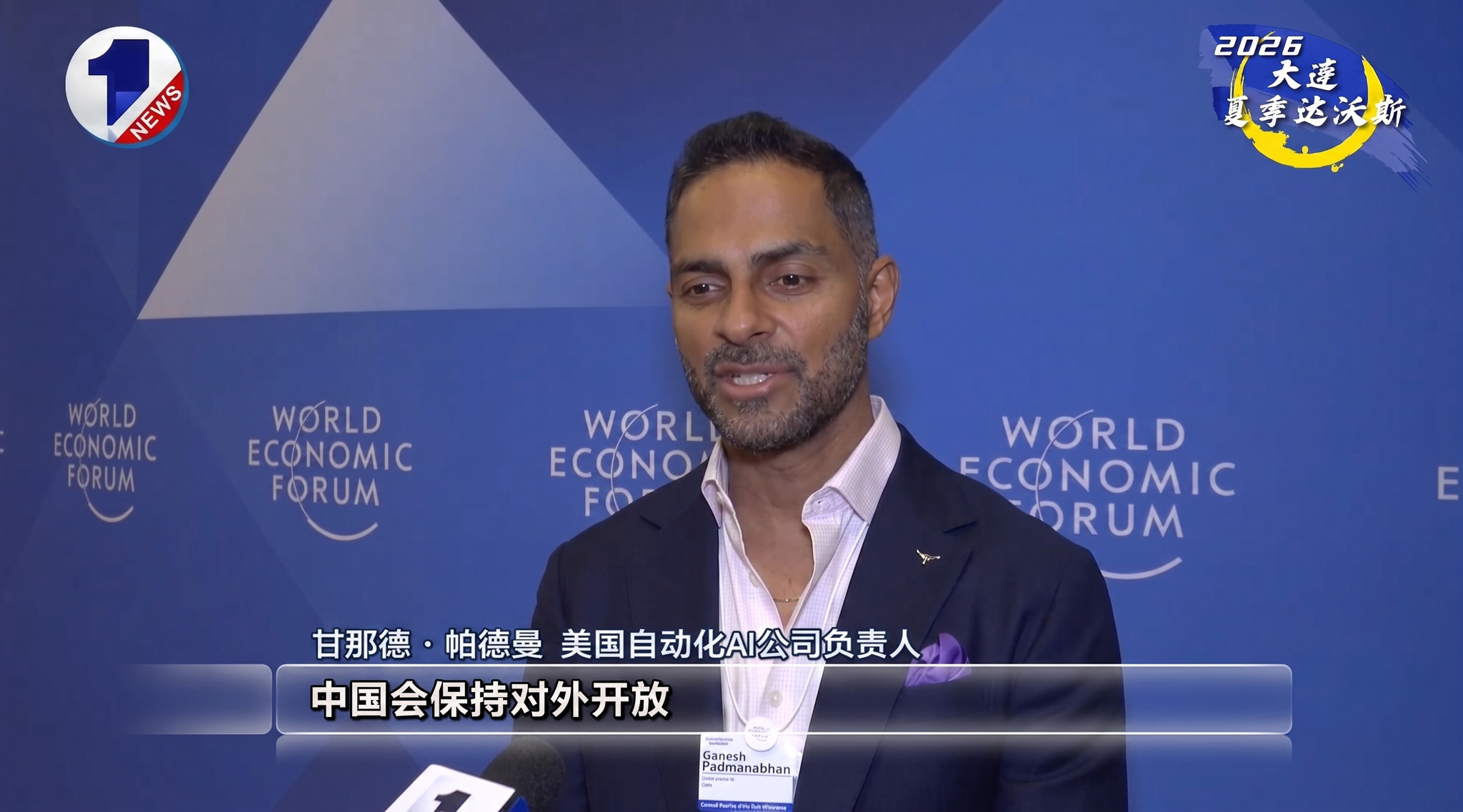
The unexpected reward of the week was the breadth of conversations outside the formal sessions. Chinese state media came at us with sharper questions than I expected. Regulators from three different governments wanted to talk about AI governance for clinical decision support. Two heads of state I won’t name asked specific, thoughtful questions about what AI deployment in their national health systems would actually require.
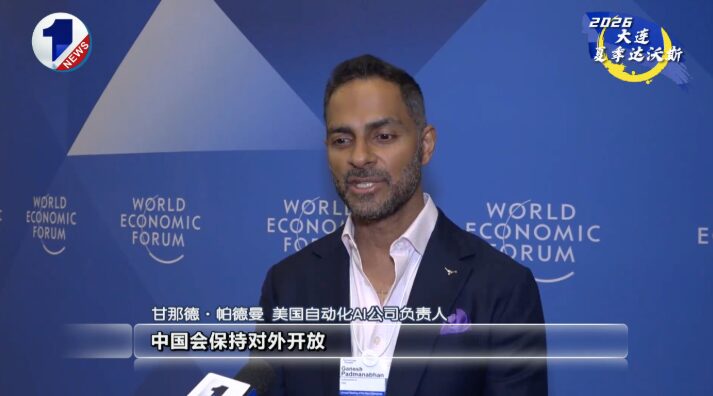
One of those interviews stayed with me. A Chinese broadcaster asked me directly whether the US-China AI conversation could find common ground in healthcare. I answered the way I would answer it anywhere. The patients on the other side of our work do not care about export controls or trade frameworks. They care about whether their nurse has the tools to help them today. AI is bigger than the politics of where it gets built. So is healthcare.
The other thing I would not have predicted: how much the open source movement has reshaped the tone of these conversations. Five years ago, founders from different countries circled each other in these settings. In Dalian, founders and researchers swapped notes on Qwen and Llama and DeepSeek with the same ease, in the same rooms, on the same day. Open weights have made the conversation more collegial, not less. Whatever the macro tensions look like on the news, the working layer is more connected than it has ever been.
— Thank you
To the World Economic Forum for the privilege of joining this community as a 2026 Technology Pioneer.
To Verena Kuhn, Head of Innovator Communities, Stephan Mergenthaler, Managing Director and Chief Technology Officer, and Michelle Mormont from the Tech Pioneers community, for the work that made the cohort feel like a community from day one.
To the Chinese hosts in Dalian, who set a bar for hospitality I have not seen at any other global gathering.
The biggest takeaway from Dalian was not what I prepared for. It was the people, the passion behind their work, and the audacity of the ideas in the room. Underneath all of it, a shared and almost stubborn belief that we can build a world that works better than the one we inherited.
I left with more questions than I came with. That’s the point.
About the Author
Ganesh Padmanabhan is the CEO and founder of Autonomize AI, where he is building AI-native solutions for healthcare enterprises. With over 20 years of experience across AI, cloud, and enterprise transformation, he focuses on embedding governed intelligence into workflows to improve outcomes and reduce operational friction. A recognized voice in responsible AI and healthcare innovation, Ganesh is a frequent speaker, advisor, and advocate for using technology to tackle humanity’s biggest challenges.
Healthcare’s AI-Native Future Starts Now
Connect with an AI expert today.